
What to Expect From Newly Planted Plants, Trees and Sod
Installing new plants, trees, or sod is an exciting step in any landscape project. It’s also the stage where many homeowners have questions about timing, watering, and what “healthy establishment” actually looks like.
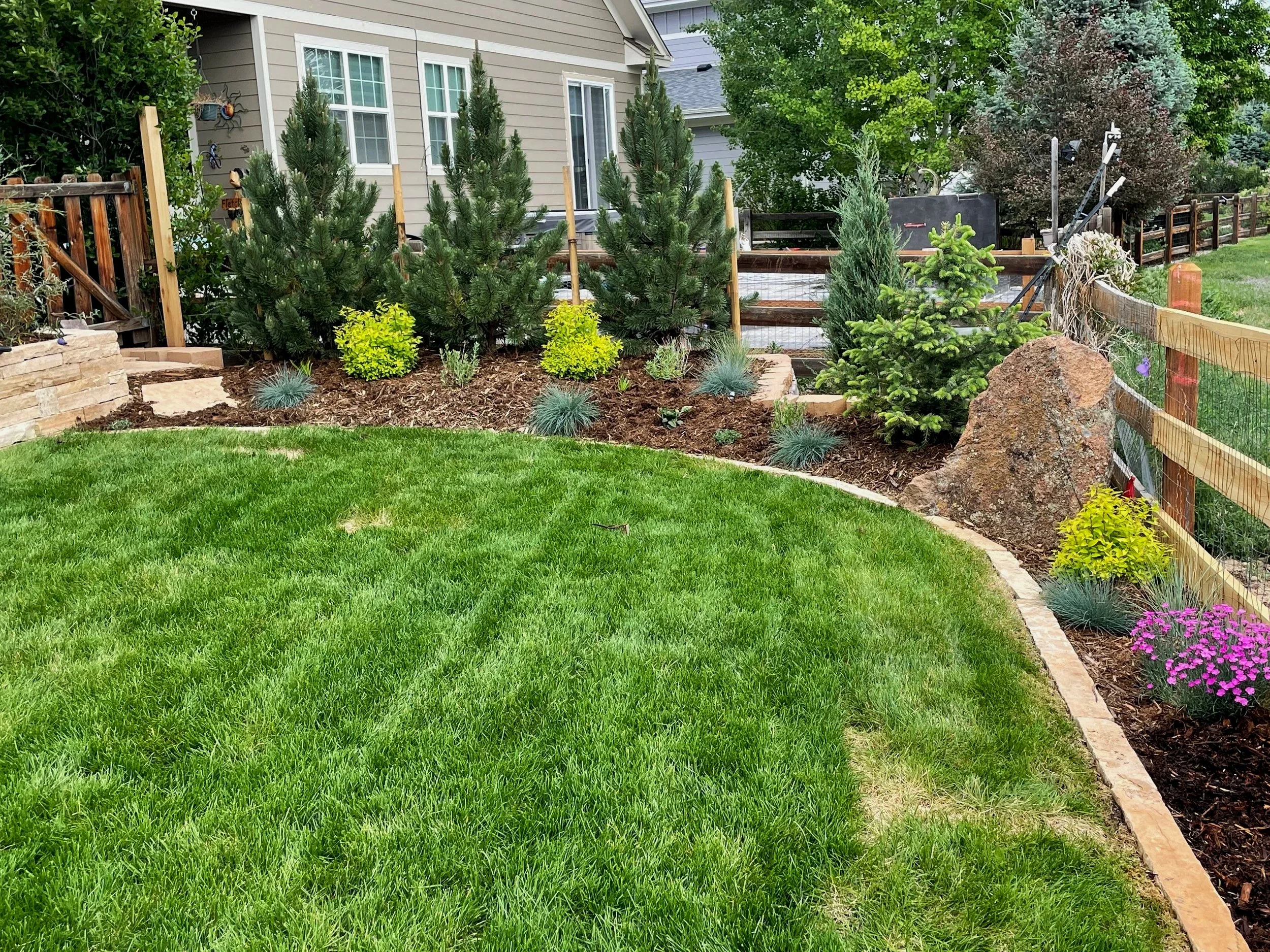
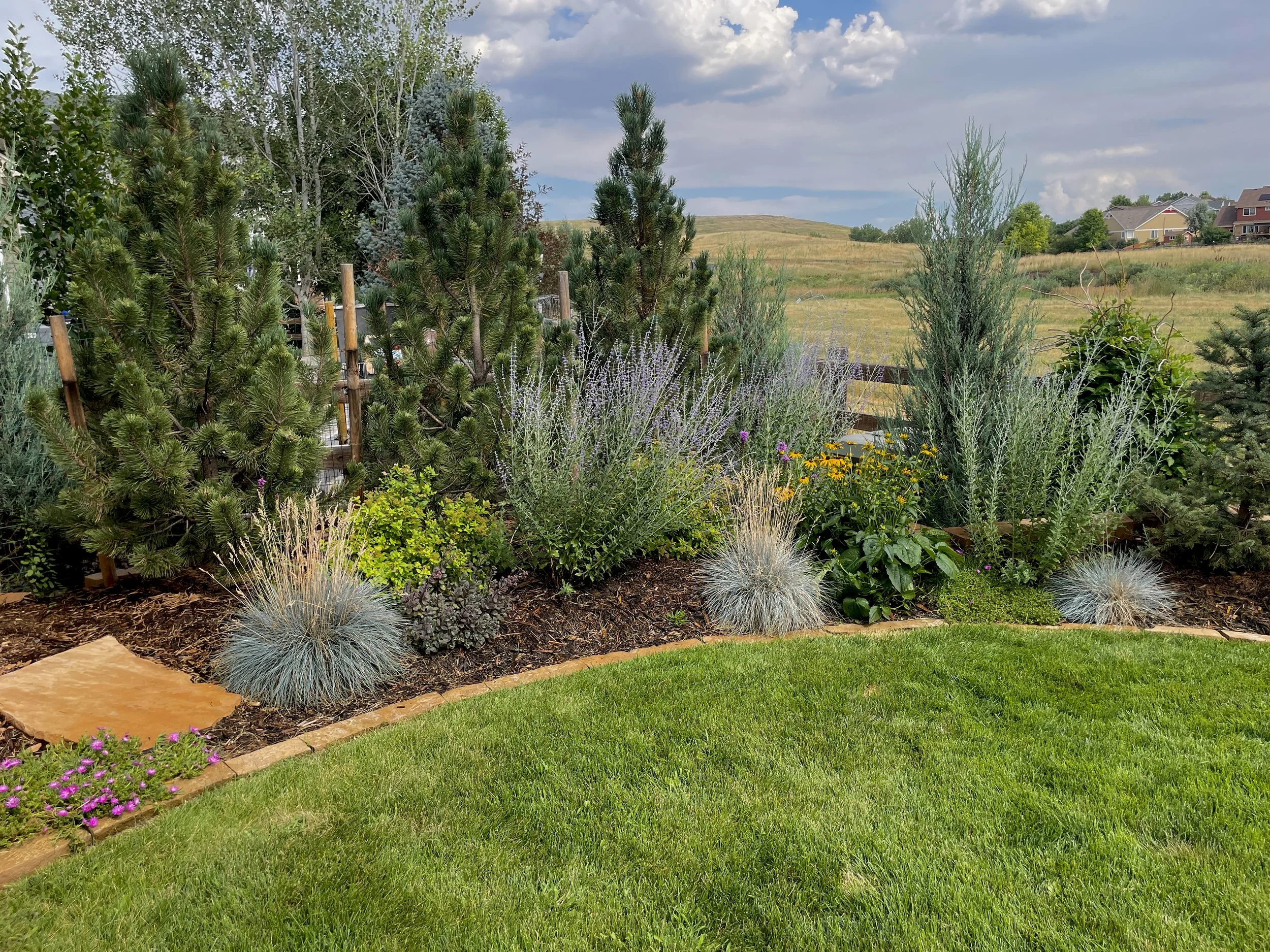
New landscapes do not reach full maturity immediately. Whether it is a newly planted tree, a fresh garden bed, or new sod, every element needs time to adjust to its environment. In Colorado, that adjustment period is especially important due to sun exposure, elevation, and fluctuating moisture levels.
Understanding what to expect during this early phase helps homeowners support long-term plant health and avoid common mistakes.
The Establishment Period Is Critical
New plants go through what’s called an establishment period after installation. This is when roots begin to grow outward into surrounding soil and adapt to local conditions.
In this stage, above-ground growth may appear slower than expected. Don’t panic: It’s normal! Most of the plant’s energy is focused underground as it builds a root system that will support long-term health.
Experts consistently emphasize that successful landscapes are truly built during this early stage. The way plants are watered, monitored, and maintained in the first weeks and months has a lasting impact on their performance.
What to Expect From Newly Planted Trees
Newly planted trees are one of the most important investments in a landscape, and they require careful attention during establishment.
In the first growing season, trees often show limited visible growth. This is expected as they prioritize root development over canopy expansion.
Homeowners may notice:
Leaves that remain stable in size rather than increasing significantly
Some temporary leaf drop as the tree adjusts
Slower-than-expected height growth
These are not typically signs of failure. They’re part of the adjustment process.
Watering is especially important. Young trees generally require consistent deep watering to encourage roots to grow downward and outward. Shallow or inconsistent watering can cause stress and limit long-term resilience.
Soil conditions, wind exposure, and sun intensity in Colorado can all influence how quickly a tree establishes. Proper mulching around the base can also help regulate soil temperature and moisture retention.
Most trees require at least one to two full growing seasons before they are considered fully established.
What to Expect From New Plants and Shrubs
New shrubs and perennial plants will also go through an adjustment period after installation.
In the first few weeks, plants may appear to pause growth while they acclimate to soil conditions and irrigation patterns. Some leaf wilt or minor discoloration can occur as plants transition from nursery conditions to a new environment.
Once established, most shrubs begin to show more consistent growth and improved fullness.
Homeowners should expect:
Initial slow growth above ground
Some transplant stress in the first weeks
Gradual improvement as roots expand
Stronger performance in the second growing season
Consistent watering is important, but overwatering can be just as problematic as underwatering. The goal is to maintain evenly moist soil without saturation.
Spacing, soil preparation, and plant selection all play a role in how quickly shrubs establish and how well they perform long term.
What to Expect From New Sod
New sod provides an immediate green surface, but it still requires time to fully root into the soil below.
In the first few weeks after installation, sod is especially vulnerable. While it may look established, it is not yet anchored into the ground.
During this stage, homeowners may notice:
Visible seams between sod rolls
Slight lifting at edges if not properly watered
Variation in color as it adjusts to new soil conditions
Frequent watering is essential during early establishment. The goal is to keep the sod and underlying soil consistently moist so roots can begin to grow downward.
After several weeks, root development should begin to stabilize the sod. At that point, watering frequency can gradually decrease while increasing depth.
Foot traffic should be limited during early establishment to prevent shifting or damage before roots are fully developed.
Watering Is the Most Important Factor
Across plants, trees, and sod, watering is the most important factor during establishment.
In Colorado’s climate, moisture levels can change quickly due to sun intensity, wind, and low humidity. New plantings are more sensitive to these conditions because their root systems are not yet fully developed.
The best practice is to adjust your watering based on plant type, soil conditions, and weather patterns rather than using a one-size-fits-all schedule. Create a routine tailored for your exact new landscape elements.
Deep, consistent watering is typically more effective than light, frequent watering. It encourages roots to grow deeper into the soil, which improves long-term resilience.
Common Misunderstandings About New Landscapes
One of the most common misconceptions is that new plants should show rapid visible growth immediately after installation.
In reality, establishment takes time. Plants that appear to be growing slowly may actually be
developing strong root systems that will support healthier growth in later seasons.
Another common misunderstanding is related to watering. Some homeowners reduce watering too quickly after installation, while others overwater in an effort to encourage faster growth.
Both approaches can create stress. Balanced, consistent care is key. Being patient helps, too!
Environmental Factors to Consider in Colorado’s Front Range
Boulder-area landscapes face specific environmental conditions that influence plant establishment.
High elevation, strong sunlight, wind exposure, and periodic dry spells all contribute to moisture loss in soil. These factors make early-stage plant care especially important.
Soil composition can also vary significantly from property to property, affecting drainage and water retention.
Boulder Landscape & Design, will take these conditions into account during planning and installation to improve establishment success.
When to Expect Full Establishment
Establishment timelines vary depending on plant type, weather conditions, and site factors.
General expectations include:
Perennials and shrubs: one to two growing seasons
Trees: one to three growing seasons
Sod: several weeks to a few months for full rooting
Once established, plants require less frequent watering and become more resilient to temperature and moisture fluctuations.
Setting Up for Long-Term Success
The establishment phase is not just about survival. It is about setting the foundation for long-term landscape performance.
Proper installation techniques, appropriate plant selection, and consistent early care all contribute to a landscape that matures successfully over time.
At Boulder Landscape & Design, installation is approached as part of a complete design-build process. This ensures that plant selection, soil preparation, irrigation planning, and layout all work together to support healthy establishment from day one.
Ready to Take the Next Steps?
New plants, trees, and sod all require a period of adjustment before they fully integrate into the landscape. While early growth may appear slow or uneven, this stage is essential for building strong root systems and long-term resilience.
With proper watering, realistic expectations, and attention to site conditions, homeowners can support successful establishment and enjoy a healthier, more stable landscape over time.
If you want guidance on how to support healthy establishment or are planning a new landscape project, Boulder Landscape & Design can help ensure your irrigation, soil conditions, and plant selection are set up for success. Fill out our Start Your Project form or give our award-winning experts a call at (303) 443-346
