
Drought-Resilient Landscapes Are the Future
Colorado homeowners have always had to consider water when planning their landscapes. Today, that consideration is becoming a necessity rather than a preference.
Warmer temperatures, shifting weather patterns, and ongoing concerns about water availability are changing how landscapes are designed across the state, including in Boulder County and across the Front Range. At the same time, homeowners want outdoor spaces that look beautiful, function well, and provide long-term value.
That combination of priorities is driving growing interest in drought-resilient landscape design.
A drought-resilient landscape is designed to perform well with less water while remaining attractive, functional, and sustainable over time. It does not mean eliminating plants, replacing everything with gravel, or creating a yard that lacks color and character. Instead, it means making thoughtful choices about plant selection, irrigation, hardscaping, and overall design.
For many Colorado homeowners, drought resilience is quickly becoming one of the most important considerations in landscape planning.
Why Drought Resilience Matters
Colorado's climate presents unique challenges for landscapes.
We experience limited annual precipitation, periods of drought, intense summer sun, and wide temperature fluctuations throughout the year. Recent years have also demonstrated how unpredictable weather patterns can be; for example, residents may experience prolonged dry conditions one season and intense rainfall events the next.
These conditions can place significant stress on plants that are not well suited to the local environment.
Water restrictions and increasing awareness around conservation are also influencing how homeowners approach their outdoor spaces. Landscape experts continue to emphasize the importance of designing for long-term performance rather than short-term appearance. A landscape that requires constant supplemental watering to survive may struggle when weather conditions become more extreme.
Drought-resilient landscapes are designed with these realities in mind.
One of the most common misconceptions about drought-resilient landscaping is that it results in a yard filled entirely with boring or bland rock or mulch.
Modern drought-conscious design takes a much more balanced approach.
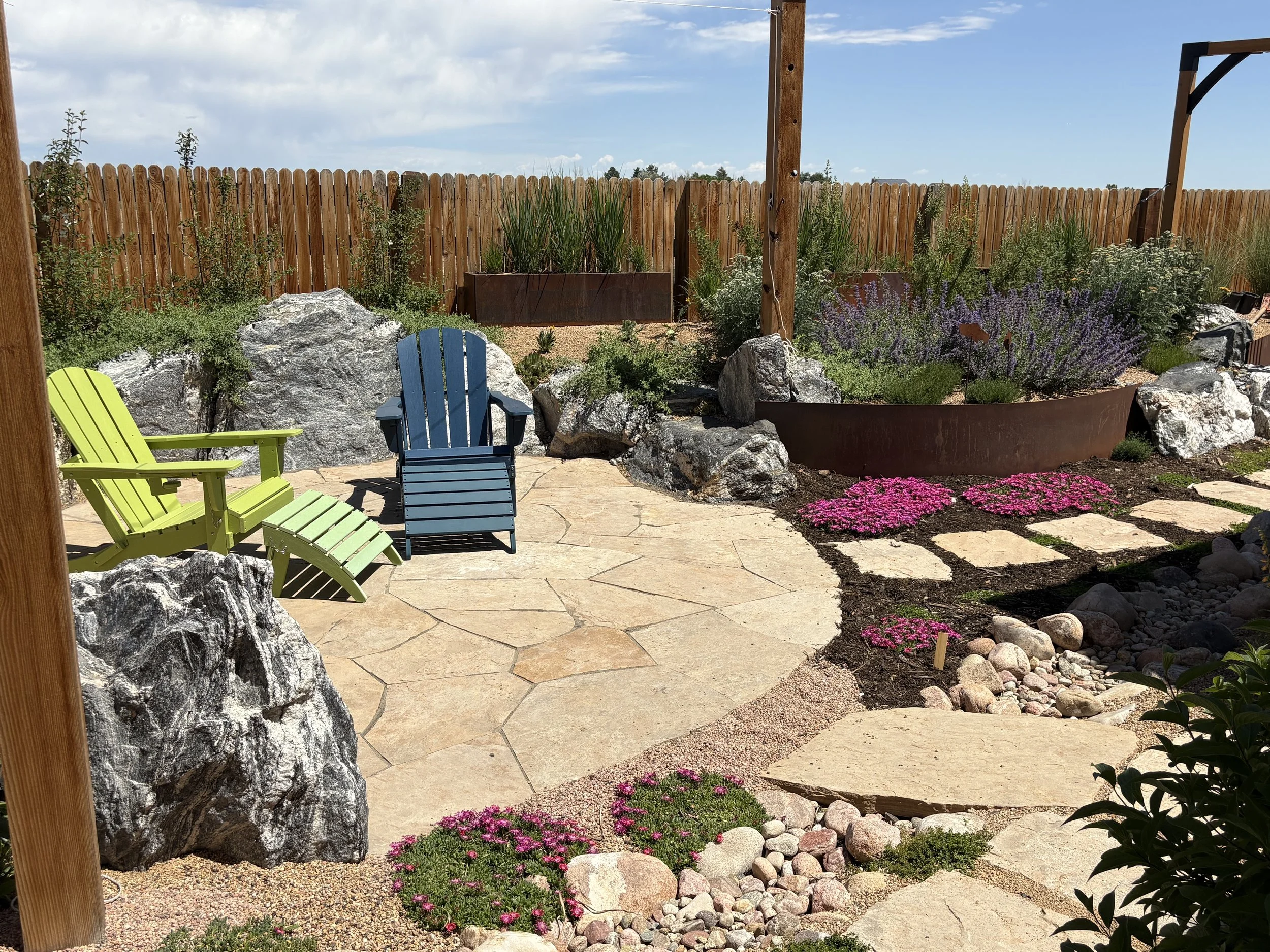
Many successful Colorado landscapes include a combination of trees, shrubs, perennials, ornamental grasses, and carefully selected lawn areas. The difference is that these elements are chosen for their ability to thrive in local conditions while requiring less water than traditional landscape approaches.
Designers, like the seasoned pros at Boulder Landscape & Design, often focus on creating layers of texture, seasonal interest, and visual variety through plant selection rather than relying heavily on thirsty turfgrass. The goal is to create a landscape that feels intentional, inviting, and connected to its surroundings.
Many homeowners are surprised to learn that some of the most attractive landscapes in Colorado are also among the most water efficient. When drought-resilient principles are incorporated from the beginning of the design process, homeowners do not have to choose between beauty and performance.
Smart Plant Selection Makes a Difference
Plant selection is one of the most important components of a drought-resilient landscape.
Native plants and climate-adapted species are often strong choices because they have evolved or proven their ability to perform well in Colorado's growing conditions.
These plants typically require less supplemental irrigation once established and are often better equipped to handle periods of heat and drought.
Many drought-tolerant plants also provide seasonal color, support pollinators, and contribute to the overall health of the landscape.
Working with plants that are naturally suited to local conditions helps reduce maintenance needs while improving long-term success. It can also reduce the likelihood of plant replacement due to environmental stress.
A thoughtful planting plan, guided by an expert, considers much more than appearance. Sun exposure, soil conditions, drainage, mature plant size, and water requirements all play a role in creating a landscape that will continue to thrive years after installation.
Efficient Irrigation Is Essential
It’s important to keep in mind though, that even drought-tolerant landscapes require water, especially during establishment and extended dry periods.
The difference? Drought-resilient landscapes use water more efficiently.
Modern irrigation systems can be designed to deliver water where it is needed most while minimizing waste. Drip irrigation, smart controllers, and properly zoned systems allow homeowners to support plant health without overwatering.
Experts consistently recommend matching irrigation strategies to the needs of specific plant types rather than treating the entire landscape the same way.
This targeted approach helps conserve water while supporting healthier plants.
Proper irrigation design can have a significant impact on both water use and landscape performance. In many cases, homeowners discover that improving irrigation efficiency provides benefits that extend far beyond lower water consumption
Rethinking Turf Areas
Lawns continue to have a place in many Boulder landscapes, but locals are becoming more strategic about where turf is used.
Rather than covering large portions of a property with grass, many homeowners are reserving lawn for spaces where it serves a clear purpose, such as recreation, pets, or children's play areas.
Other areas may be converted into planting beds, outdoor living spaces, pathways, or naturalized landscape zones.
Reducing unnecessary turf can significantly lower water use while creating a more functional and visually interesting landscape.
This approach also allows homeowners to dedicate more space to features that support how they actually use their property rather than maintaining lawn areas that receive little activity. Why keep an under-used lawn if you could have your dream outdoor kitchen or gathering space instead?
Hardscaping Supports Water-Wise Design
Hardscape elements play an important role in drought-resilient landscapes.
Patios, pathways, retaining walls, seating areas, and outdoor gathering spaces add functionality while reducing the amount of irrigated area on a property.
Hardscaping can also help organize outdoor spaces and create a stronger connection between the home and landscape.
When combined with thoughtful planting design, these features contribute to landscapes that are both practical and attractive.
Many homeowners find that investing in outdoor living areas provides greater long-term value than expanding lawn areas. Outdoor kitchens, fire features, shade structures, and gathering spaces continue to be popular additions because they increase the usability of the landscape while supporting a more water-conscious design approach.
Long-Term Savings and Lower Maintenance
Drought-resilient landscapes are often associated with water savings, but the benefits can extend much further.
Landscapes designed around climate-appropriate plants and efficient irrigation systems may require less mowing, fertilizing, and ongoing maintenance than traditional lawn-focused yards.
Over time, this can reduce both maintenance costs and the amount of effort required to keep the landscape looking its best.
A healthier landscape is also more resilient during periods of drought, helping homeowners avoid some of the replacement costs that can occur when plants struggle under challenging conditions.
Planning for Long-Term Success
One of the biggest advantages of drought-resilient landscape design is its focus on long-term performance.
Rather than constantly reacting to weather conditions, homeowners can create landscapes that are better prepared to handle Colorado's climate from the beginning.
This often leads to healthier plants, lower maintenance requirements, reduced water consumption, and fewer replacement costs over time.
At Boulder Landscape & Design, drought resilience is often part of broader conversations about creating landscapes that are both beautiful and practical for Front Range living. Thoughtful planning during the design phase can help ensure every element of the landscape works together to support long-term success.
The Future of Colorado Landscapes
As water conservation and climate adaptation continue to shape landscape design, drought resilience is becoming a standard consideration rather than a specialized approach.
The most successful landscapes are those that work with Colorado's conditions instead of fighting against them.
By focusing on smart plant selection, efficient irrigation, thoughtful hardscaping, and intentional design, homeowners can create outdoor spaces that perform well today and continue to thrive in the future.
As drought-resilient landscaping becomes the future of outdoor design in Colorado, now is the ideal time to evaluate how your property can work smarter with less water.
Contact Boulder Landscape & Design to learn how a custom landscape can support conservation, beauty, and long-term success. Fill out our Start Your Project form to begin the conversation, or give us a call at (303) 443-3460
