
Fire-Resistant Landscaping in Boulder: Creating a Safer, More Resilient Yard
With a hot dry start to the year, wildfire risk has become an important consideration for homeowners in Boulder County and the Front Range. Between dry summers, high winds, and homes built close to open space, many homeowners are looking for practical ways to make their properties more resilient without sacrificing the beauty of their outdoor space.
One of the smartest places to start is with your landscape design.
Fire-resistant landscaping sometimes known as Firewise landscaping focuses on reducing combustible materials around the home while still creating a beautiful, functional yard that fits Colorado’s climate and lifestyle. When done well, it can help slow the spread of fire, improve long-term maintenance, and create a cleaner, more intentional outdoor environment.
At Boulder Landscape & Design, we often help homeowners throughout Boulder, Louisville, Lafayette, Erie, Superior, Longmont, and Niwot create outdoor spaces that feel both welcoming and better suited to Colorado’s conditions.
What Is Fire-Resistant Landscaping?
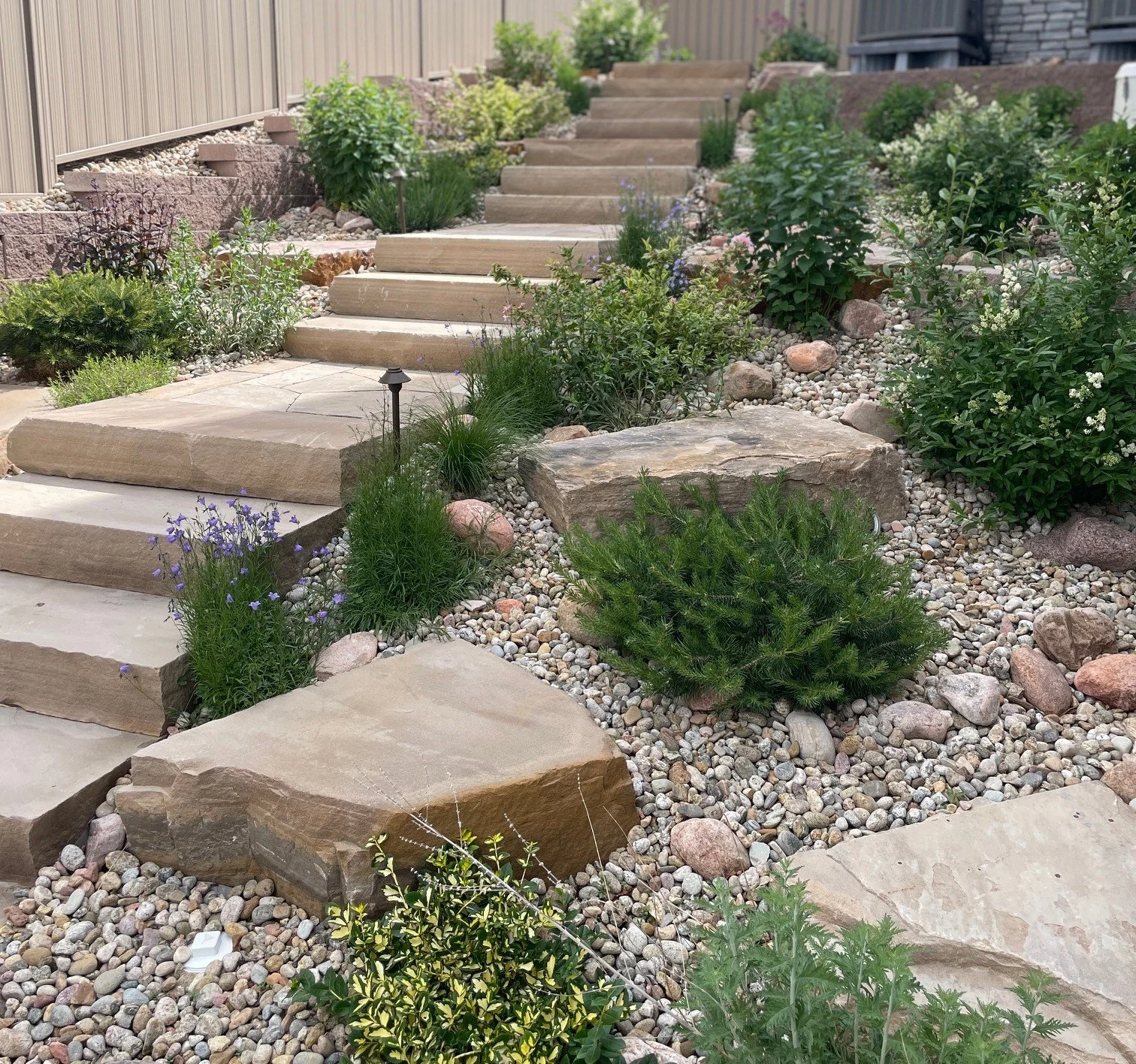
Fire-resistant landscaping is a thoughtful approach to landscape design that helps reduce wildfire risk around the home. Instead of focusing purely on appearance, the design also considers how fire moves through vegetation, mulch, fencing, and outdoor structures.
A fire-conscious landscape does not mean your yard has to look barren or overly industrial. Many of the most beautiful Colorado landscapes already incorporate these types of materials and plant spacing to improve fire resilience naturally.
Fire-resistant landscape design often includes:
Reduced combustible materials near the home
Strategic spacing between trees and shrubs
Gravel, stone, or hardscape instead of bark mulch near structures
Lower-flammability plant selections
Defensible space planning
Metal fencing
Ongoing maintenance to remove dry debris and overgrowth
The goal is not to eliminate plants entirely. It is to create a landscape that is thoughtfully organized, easier to maintain, and less likely to allow fire to spread quickly toward the home.
Why Fire-Resistant Landscaping Matters in Boulder County
In Boulder County Front Range we face a unique set of wildfire conditions. Dry vegetation, foothill winds, sloped terrain, and increasingly hot summers can all contribute to elevated fire risk. This is why more homeowners are rethinking how they design and maintain their landscapes.
A well-planned landscape can help:
Reduce fuel sources close to the home
Improve defensible space around structures
Create safer transitions between planted areas and hardscape
Lower long-term maintenance demands
Support healthier, more drought-tolerant plantings
Many homeowners are also combining fire-resistant landscaping with xeriscaping and low-water design strategies to create outdoor spaces that are both beautiful and practical for Colorado living.
Understanding Defensible Space Around Your Home
One of the most important parts of fire-resistant landscaping is creating defensible space. This refers to the buffer between your home and surrounding vegetation that can help slow the spread of wildfire
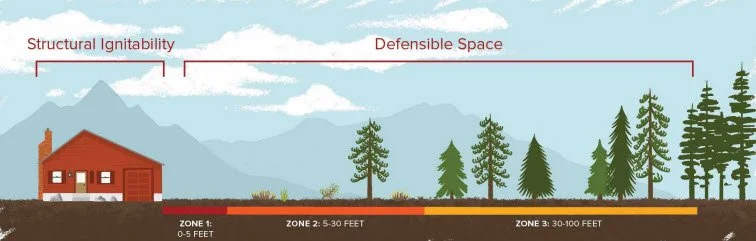
Zone 0: The First 5 Feet Around Your Home
The area closest to the house is often the most important.
This zone should contain as few combustible materials as possible. Gravel, decorative rock, pavers, and concrete are typically preferred over bark mulch or dense foundation plantings.
For this area, homeowners should:
Replace wood mulch with gravel or stone
Remove dead leaves, pine needles, and debris regularly
Avoid storing firewood or propane tanks near the home
Limit dense shrubs or highly flammable plants against structures
Many homeowners are surprised to learn how much of a difference this first five feet can make.
Zone 1: Five to Thirty Feet From the Home
This middle zone focuses on slowing fire movement through vegetation.
Here, the goal is to create more intentional spacing between plantings while reducing opportunities for fire to climb from grasses into shrubs and trees.
Common recommendations include:
Pruning lower tree branches
Separating shrubs from tree canopies
Avoiding overcrowded plantings
Keeping lawns and plants healthy and irrigated
Removing dead or dry vegetation seasonally
Thoughtful planting design can still create a lush, layered landscape without allowing plants to become overly dense.
Zone 2: Thirty Feet and Beyond
For larger properties, this outer zone focuses on reducing concentrated fuel sources.
This may include:
Thinning dense tree groupings
Removing deadfall and dry brush
Increasing spacing between trees
Reducing unmanaged overgrowth
The exact recommendations vary depending on property size, slope, and proximity to open space.
Simple Ways to Make Your Landscape More Fire Resistant
Not every yard needs a complete redesign to improve fire resilience. Sometimes small changes can make a meaningful difference.
A few of the most impactful upgrades include:
Replace Mulch Near the Home
Wood mulch can ignite easily during ember storms. Replacing bark mulch near the foundation with gravel, river rock, or stone is often one of the simplest improvements homeowners can make.
Create Hardscape Breaks
Patios, pathways, retaining walls, and rock borders can help interrupt the spread of fire while also improving the structure and usability of the yard.
Improve Plant Spacing
Overgrown shrubs and tightly packed plantings can allow fire to spread more quickly. Strategic spacing creates healthier plants and better airflow while reducing fire intensity.
Maintain Your Landscape Regularly
Even the best-designed landscape still requires maintenance.
Removing dry leaves, pine needles, dead branches, and overgrown vegetation regularly is one of the most important parts of maintaining a fire-conscious yard.
Lower-Flammability Plants for Colorado Landscapes
No plant is completely fireproof, but some plants are considered lower flammability because they retain more moisture and produce less dry material.
A few commonly used options for Colorado landscapes include:
Perennials & Groundcovers
Yarrow
Creeping thyme
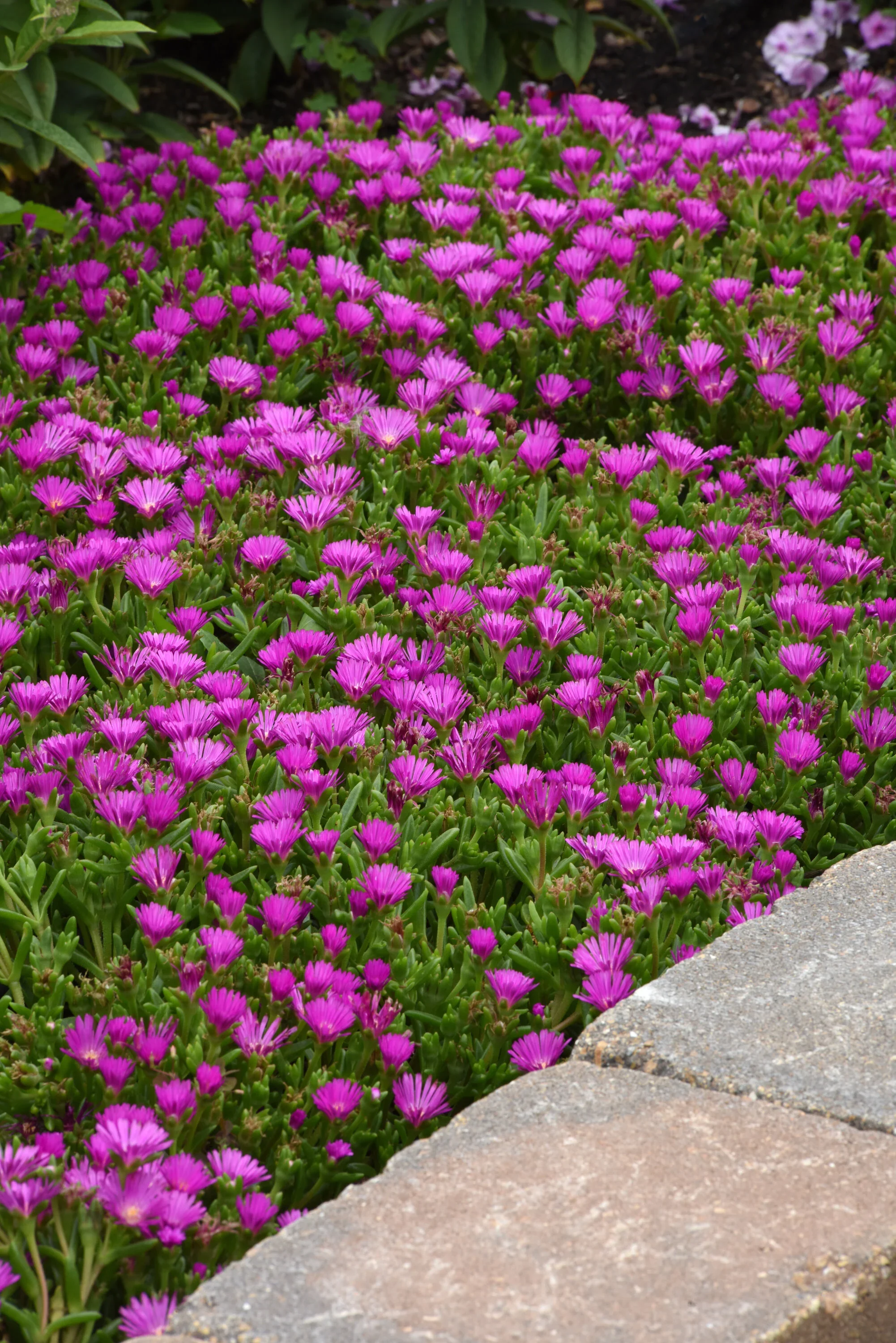
Ice plant
Catmint
Shrubs
Serviceberry
Potentilla
Lilac
Rabbitbrush
Trees
Aspen
Honeylocust
Maple varieties suited for Colorado
Certain plants may require more caution near structures, especially if they become dense or accumulate dry material easily.
These can include:
Juniper
Cedar plantings
Ornamental grasses close to structures
Dense shrubs beneath trees
Plant selection should always consider your specific property conditions, irrigation, sun exposure, and overall landscape goals.
Fire-Resistant Landscaping Can Still Feel Beautiful
One of the biggest misconceptions about fire-conscious landscaping is that it has to feel sparse or overly utilitarian.
In reality, many of the most successful Colorado landscapes already blend natural stone, native plants, low-water gardens, patios, and layered textures in a way that feels both inviting and resilient.
A thoughtfully designed fire-resistant landscape can still include:
Colorful pollinator gardens
Outdoor entertaining areas
Natural stone patios and pathways
Shade trees and layered plantings
Seasonal texture and movement
The key is creating intentional spacing, choosing appropriate materials, and designing the landscape as a complete system rather than simply adding plants wherever space allows.
Creating Outdoor Spaces Better Suited for Colorado Living
As wildfire concerns grow across Boulder County, more homeowners are looking for outdoor spaces that balance beauty, function, and long-term resilience. Thoughtful landscape design can create a yard that feels welcoming and enjoyable while also better adapting to Colorado’s climate and conditions.
At Boulder Landscape & Design, we help homeowners create outdoor spaces that are beautiful, functional, and designed to thrive in the Boulder County Front Range for years to come.
